
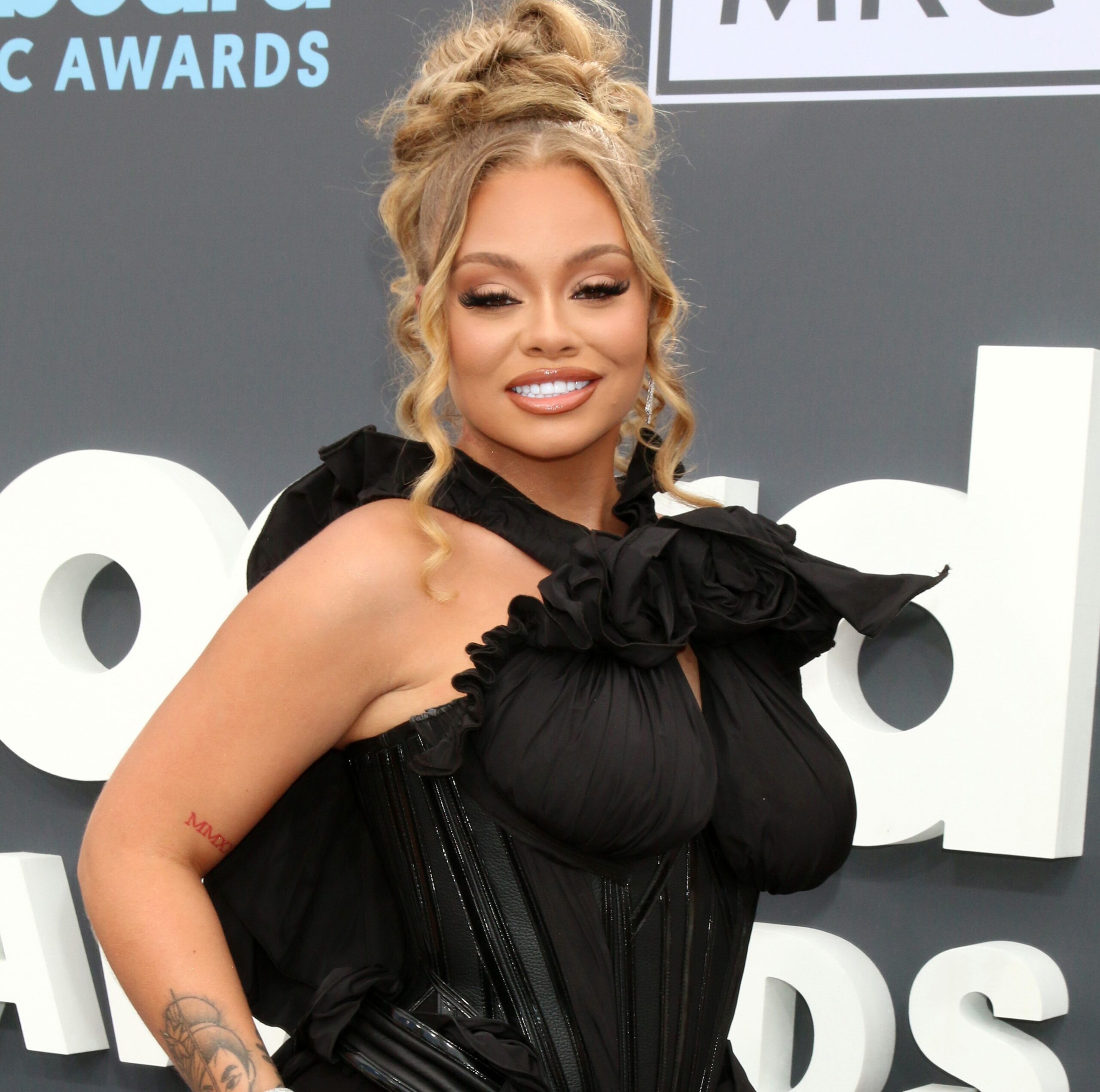
Former NFL star Le’Veon Bell recently sparked conversation online after addressing backlash tied to comments involving rapper Latto and her rumored pregnancy with 21 Savage. In a candid video, Bell appeared genuinely puzzled by the reaction to his words, repeatedly asking what he had said that caused such an uproar.
Bell emphasized that his original response was simple and harmless. “All I said was thanks,” he explained, suggesting that his comment had been misinterpreted or taken out of context. His tone throughout the video reflected a mix of confusion and frustration, as he tried to understand why people were “riled up” over something he believed carried no negative intent.
The situation highlights how quickly social media can amplify misunderstandings. In today’s digital landscape, even brief or vague comments can be dissected, reshared, and criticized at scale. Bell’s remarks seem to fall into that category—what he viewed as a neutral or polite response was perceived differently by online audiences, leading to criticism and debate.
Another key point Bell raised was the unrealistic expectation of perfection placed on public figures. He made it clear that he is not trying to present himself as flawless, stating, “Nobody asked me to be perfect.” This sentiment resonates with many celebrities who face constant scrutiny, where even minor statements can trigger widespread reactions.
The broader discussion also touches on the culture of accountability versus overreaction. While audiences today are more engaged and vocal than ever, moments like this raise the question of whether every comment warrants intense backlash. Bell’s repeated question—“What did I say that was wrong?”—underscores a disconnect between intent and perception.
Ultimately, the incident serves as a reminder of the challenges that come with public visibility. For figures like Bell, navigating online discourse requires not only awareness but also resilience. Whether or not his comment was truly controversial, the reaction to it demonstrates how quickly narratives can form—and how difficult they can be to control once they do.
