
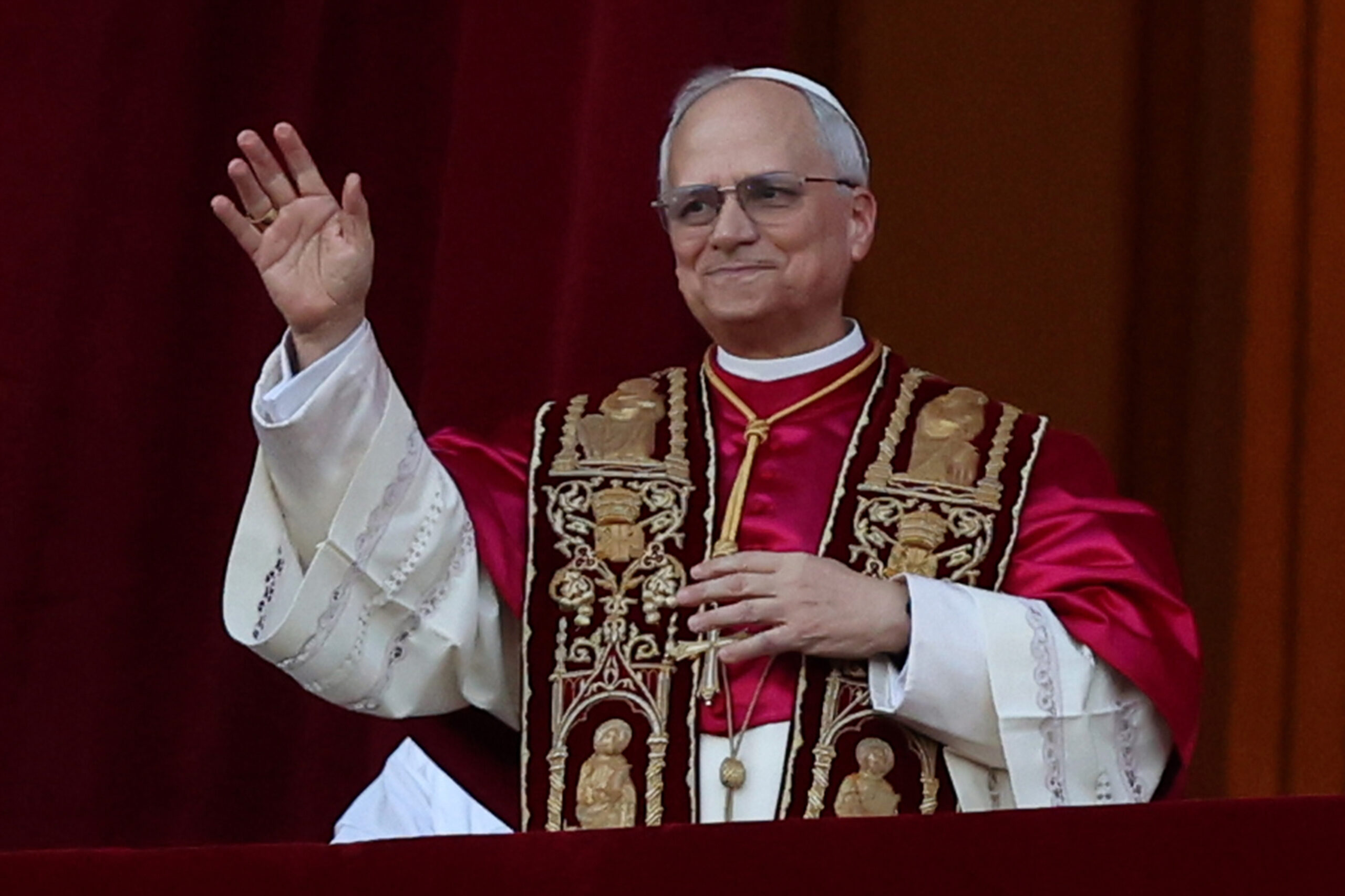
Members of the Trump administration have frequently portrayed themselves as defenders of free speech. However, recent developments suggest a growing tension between that claim and their response to criticism, this time involving the Vatican and Pope Leo XIV.
According to a report by The Free Press, the controversy began on Easter Sunday. While Donald Trump issued strong warnings about escalating military action against Iran, Pope Leo XIV delivered a global address calling for peace. In his message, he urged world leaders to abandon violence, reject domination, and pursue diplomacy. He also criticized what he described as “imperialist occupation” and warned that God does not support those who wage war.
The pope’s remarks were widely interpreted as a critique of the administration’s stance, including actions led by Pete Hegseth, who has reportedly held regular prayer services at the Pentagon during the conflict. His rhetoric, emphasizing moral justification for military action, appeared to stand in contrast to the Vatican’s call for restraint.
The situation reportedly escalated when Cardinal Christophe Pierre, the Vatican’s representative to the United States, was summoned to a closed door meeting at the Pentagon. There, Elbridge Colby is said to have delivered a firm message underscoring American military power and urging alignment with U.S. policy.
Critics argue that such actions reflect a broader pattern within the administration, one that leans heavily on displays of military strength while reacting sharply to dissent, both at home and abroad. Past statements about exerting influence over countries like Venezuela or strategic regions such as Greenland have also fueled concerns about an increasingly assertive foreign policy posture.
Supporters of the administration reject claims of authoritarianism. Yet critics point to repeated attempts to shape media narratives and limit access to unapproved information. In one recent instance, the Pentagon faced legal pushback after attempting to restrict journalists from reporting without prior authorization from the Department of Defense.
As debate continues over the Iran conflict, tensions between political authority and moral leadership have come into sharper focus. The clash between Washington and the Vatican highlights a deeper question: how should global power respond when challenged not just by rivals, but by voices calling for peace?
