
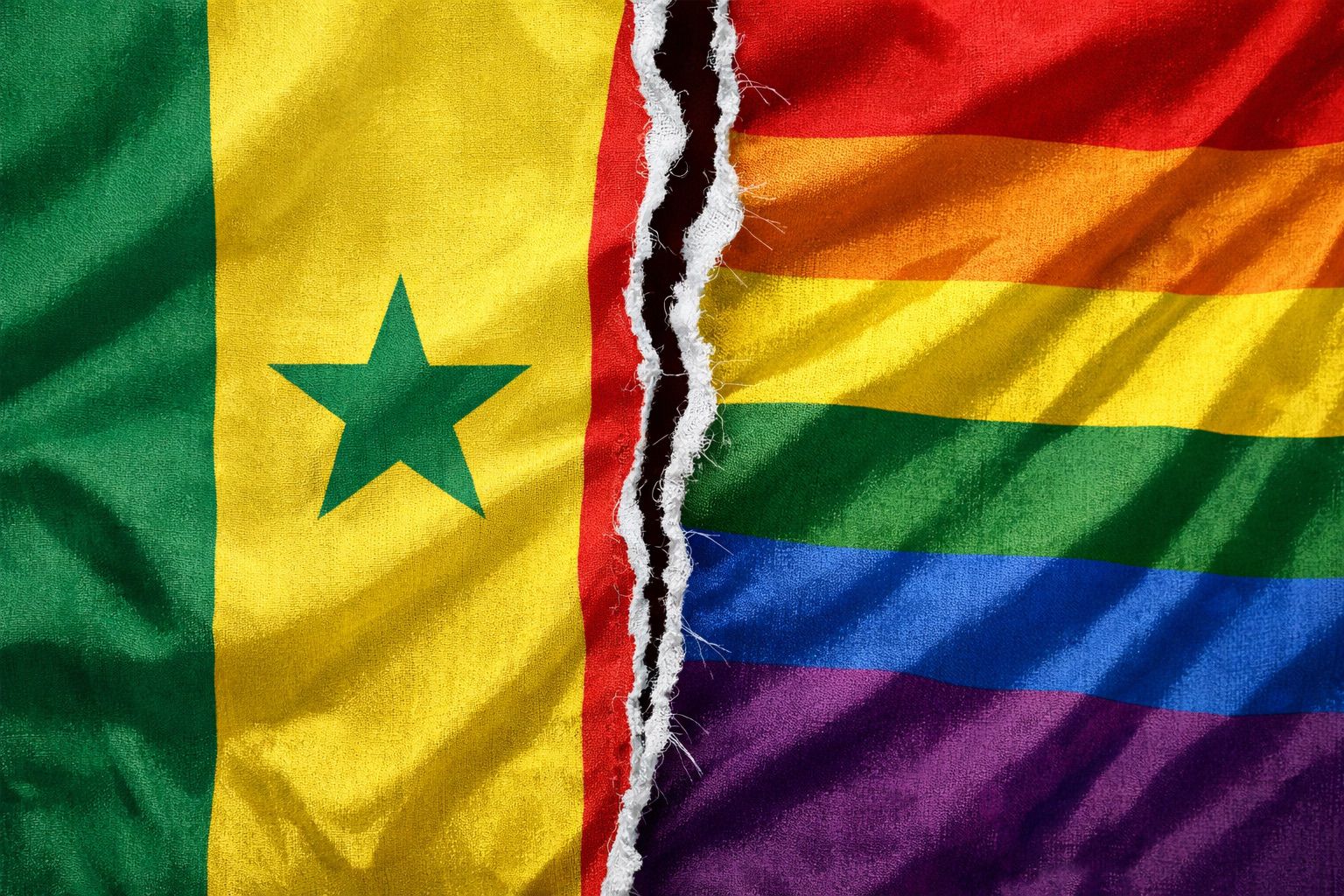
Senegal has officially enacted a new law increasing penalties for same-sex relations, with prison sentences now reaching up to 10 years and fines of around $17,000, according to parliamentary records and international reports.
The law was approved by Senegal’s National Assembly and later signed by President Bassirou Diomaye Faye. It strengthens existing laws that already criminalized same-sex relations in the country.
Stricter Penalties and Expanded Coverage
Under the new law, prison terms have been raised from a previous maximum of five years to up to 10 years. Fines have also been increased to about 10 million CFA francs (approximately $17,000).
The law also penalizes what authorities describe as the “promotion” or “financing” of LGBTQ-related activities, according to international reports.
It expands existing “acts against nature” provisions, which are already part of Senegal’s legal code.
Government Support and Political Context
The bill passed with strong support in parliament, with reports of near-unanimous approval from lawmakers. It is linked to broader government policies supported by Prime Minister Ousmane Sonko and campaign promises made during the 2024 election cycle.
Although same-sex relations were already illegal in Senegal, the updated law increases penalties and reduces flexibility in sentencing.
Human Rights Concerns and Global Reaction
International human rights organizations have raised concerns, warning that the law could further marginalize LGBTQ individuals and limit freedom of expression and association.
Critics are especially concerned about the broad wording of the law, particularly the “promotion” clause, which they say could affect advocacy groups and public health programs.
Regional Trend and Ongoing Debate
Senegal’s move reflects a broader trend in parts of Africa, where several countries have recently strengthened laws related to same-sex relations.
Reactions are divided. Supporters say the law reflects national values and legal order, while critics argue it raises serious human rights concerns.
The issue continues to draw international attention as debates grow over rights, culture, and legal policy in the region.
