
President Donald Trump is finding himself increasingly isolated as criticism of his administration’s military strike on Iran continues to grow — not only from foreign allies but also from within his own national security team.
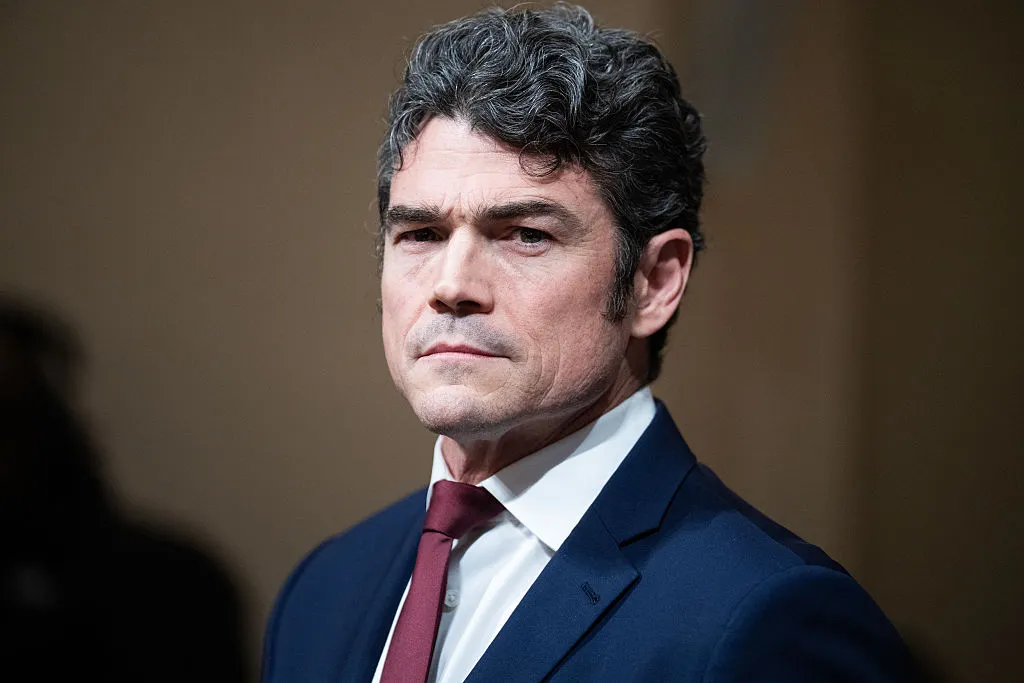
On Tuesday, Joe Kent, who had been serving as director of the National Counterterrorism Center, announced that he was stepping down from his position. In a statement shared online, Kent said he could not continue supporting the administration’s actions in Iran.
“I cannot in good conscience support the ongoing war in Iran,” he wrote, adding that he did not believe the country posed an immediate threat to the United States. He also suggested that the decision to move forward with the military strike was influenced heavily by outside political pressure rather than national security concerns.
Despite his criticism of the policy, Kent still described it as an honor to serve in the administration. Trump, however, responded in a far less diplomatic way. Speaking to reporters shortly after the resignation became public, the president called Kent “weak on security” and said he never had much confidence in him.
“I always thought he was a nice guy, but I always thought he was weak on security,” Trump said. He then added that he didn’t know Kent very well — an admission that raised further questions about the president’s judgment in selecting someone for such a critical national security role.
Kent’s resignation also comes at a difficult time for the administration on the global stage. Trump has reportedly been pushing NATO allies and other countries to support the U.S. military effort following the strike on Iran, particularly efforts to secure the Strait of Hormuz, one of the world’s most important oil shipping routes.
However, several allies appear reluctant to get involved in a conflict they were not consulted about beforehand. Instead of joining the effort, many governments have responded cautiously, emphasizing the need for diplomacy rather than escalation.
The situation has left the administration increasingly isolated. Critics argue that the resignation of a top counterterrorism official, combined with the reluctance of international allies to back the military action, reflects growing concern about the direction of U.S. foreign policy.
Trump, however, has insisted that the United States does not need help from other countries. Speaking at the White House this week, he said the U.S. could handle the situation on its own, even as tensions with both Iran and key allies continue to rise.
Whether Kent’s departure will trigger further resignations remains unclear, but the timing of his decision — in the middle of an increasingly controversial conflict — has added another layer of uncertainty to an already tense situation.
